Cattle breeds differ in their origins, appearance, mature size and production characteristics. Generations of breeding have shaped animals suited to a variety of climates, environments and livestock systems. This guide introduces eleven breeds, highlighting their histories and defining traits.
Don't just learn about cattle. Raise them.
CattleMania is an online cattle breeding and management game where you can build your own herd, explore breed characteristics, manage feeding and growth, and breed cattle of your own.
Explore CattleManiaMeet the Breeds
Explore each breed's origin, appearance and defining characteristics in this illustrated cattle reference.
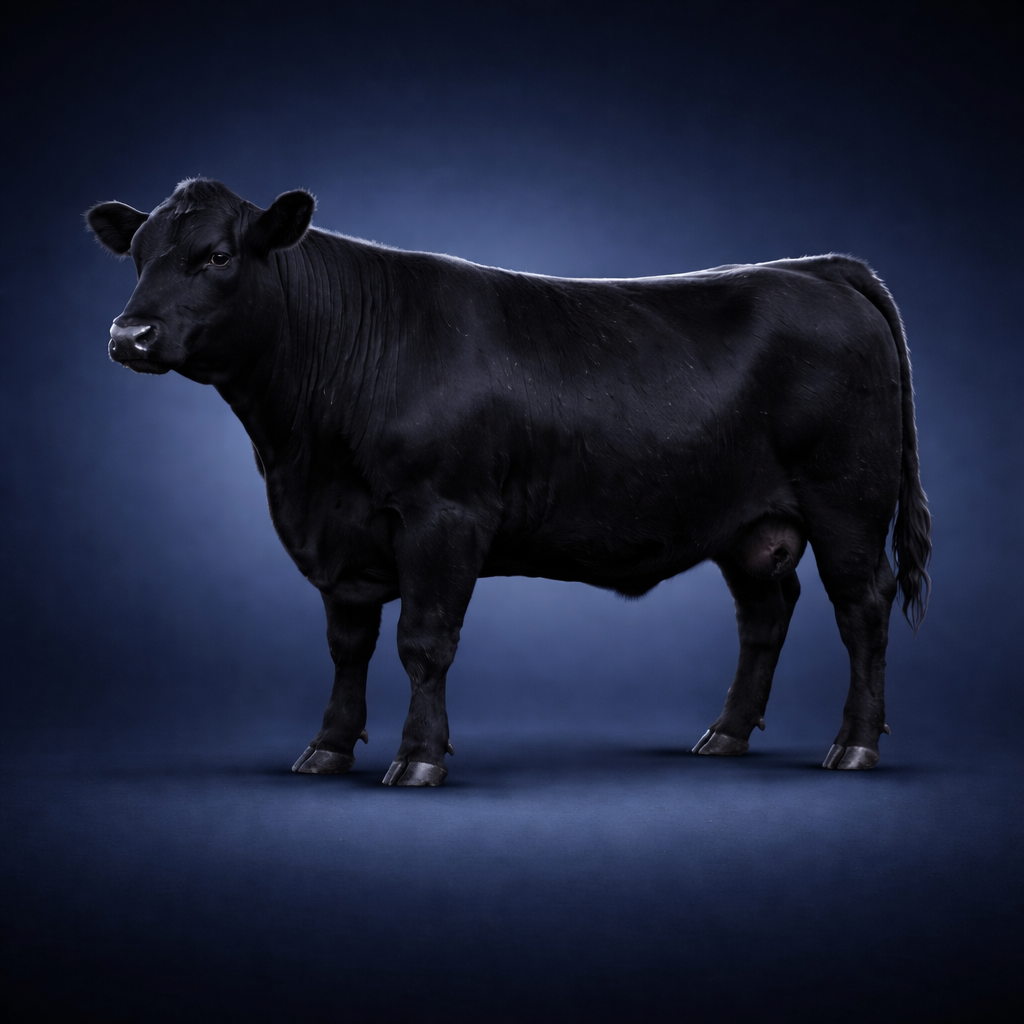
Angus
A cornerstone of modern beef production
Angus cattle originated in northeastern Scotland and are among the most widely recognized beef breeds in the world. Black Angus is especially familiar to consumers, while Red Angus is also an established breed. Angus cattle are naturally polled, meaning they typically grow without horns, and are valued for carcass quality, adaptability and their important role in commercial beef production.
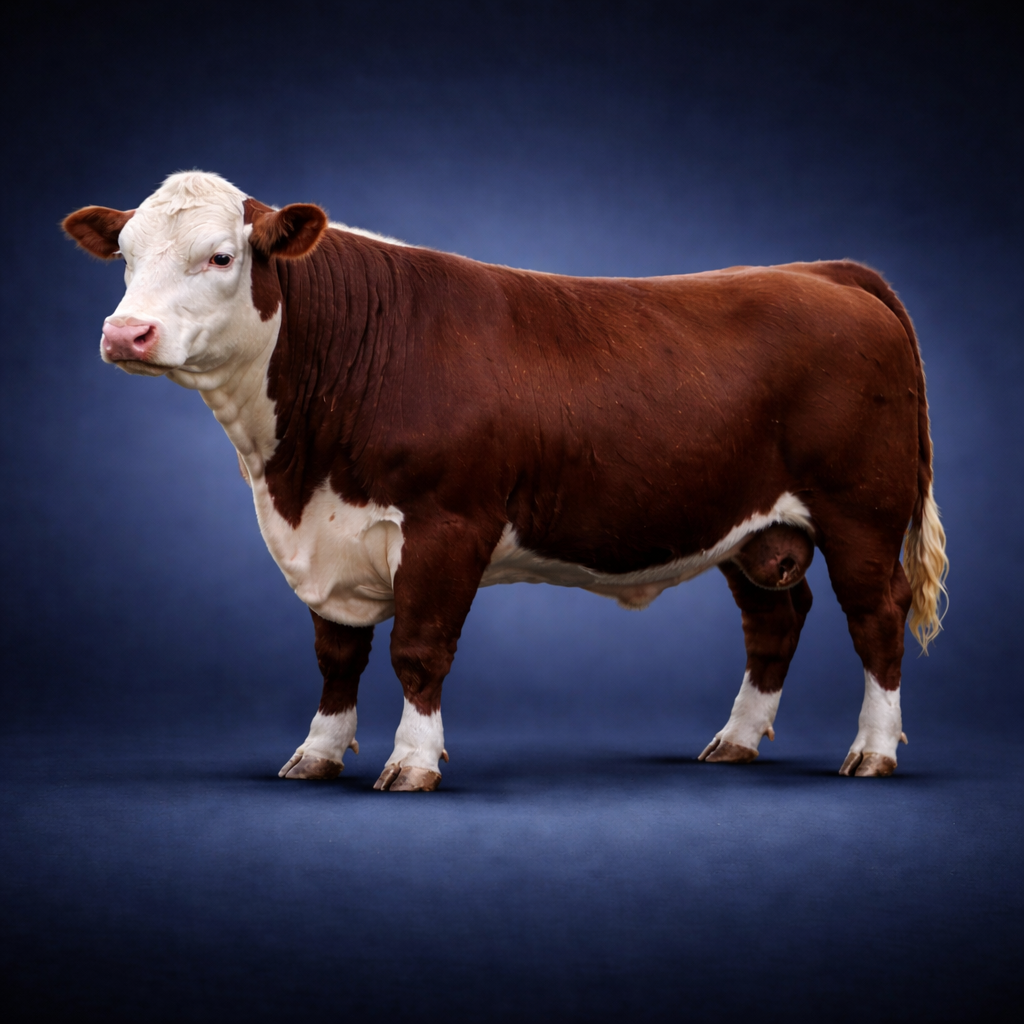
Hereford
A distinctive breed with a long heritage
Developed in Herefordshire, England, Hereford cattle are recognized by their red bodies and characteristic white faces. White markings commonly extend across the neck, chest, underside and lower legs. The breed has spread around the world because of its history in beef production, grazing ability and adaptability to different environments and management systems.
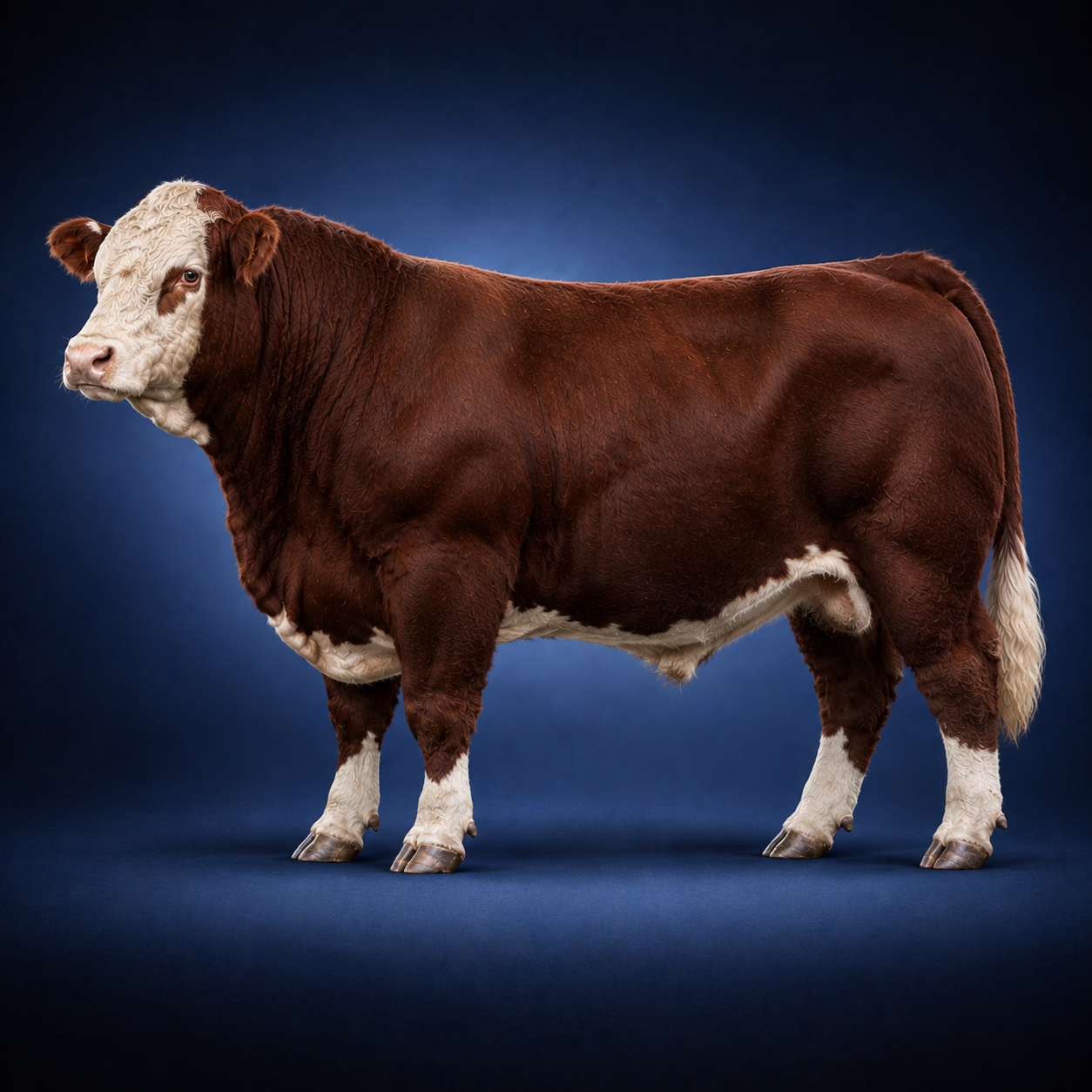
Maine-Anjou
Size, growth and muscular development
Maine-Anjou cattle originated in western France and developed from regional cattle populations selected for useful production traits. The breed is known for its large frame and growth potential. In modern beef operations, Maine-Anjou genetics may be used to pursue size, muscular development and overall performance, although individual results depend on genetics, nutrition and management.

Limousin
Muscularity and lean carcass characteristics
Limousin cattle originated in the Limousin region of France. Traditional coloring ranges from golden-red to darker red, and the breed is known for its muscular build. Limousin genetics are used internationally in beef production and crossbreeding programs where producers seek carcass yield, lean meat characteristics and efficient growth.
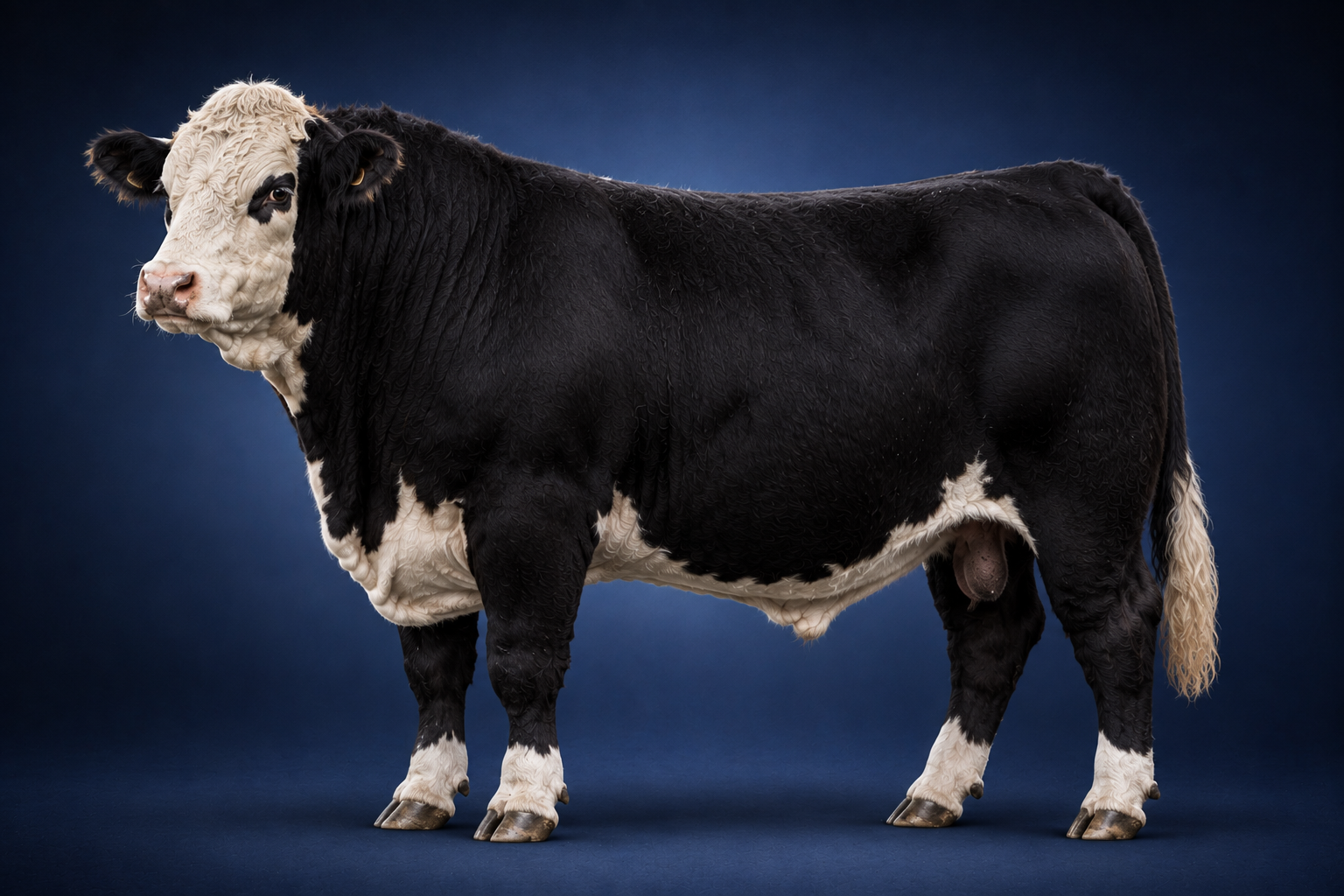
Black Hereford
Combining black coloring with Hereford influence
Black Hereford cattle are associated with black coats and the recognizable white facial markings of Hereford-influenced cattle. The breed was developed through planned breeding involving Hereford and black beef cattle genetics. Breeders aim to combine desirable characteristics from these populations, with individual traits depending on pedigree and selection goals.

Charolais
A large-framed breed known for growth
Charolais cattle originated in the Charolles region of France. Their white to cream coats and substantial frames make them distinctive in beef herds. Charolais have been widely used in commercial beef production and crossbreeding programs because of their growth potential and muscular development. As with any breed, performance varies with genetics, environment and management.
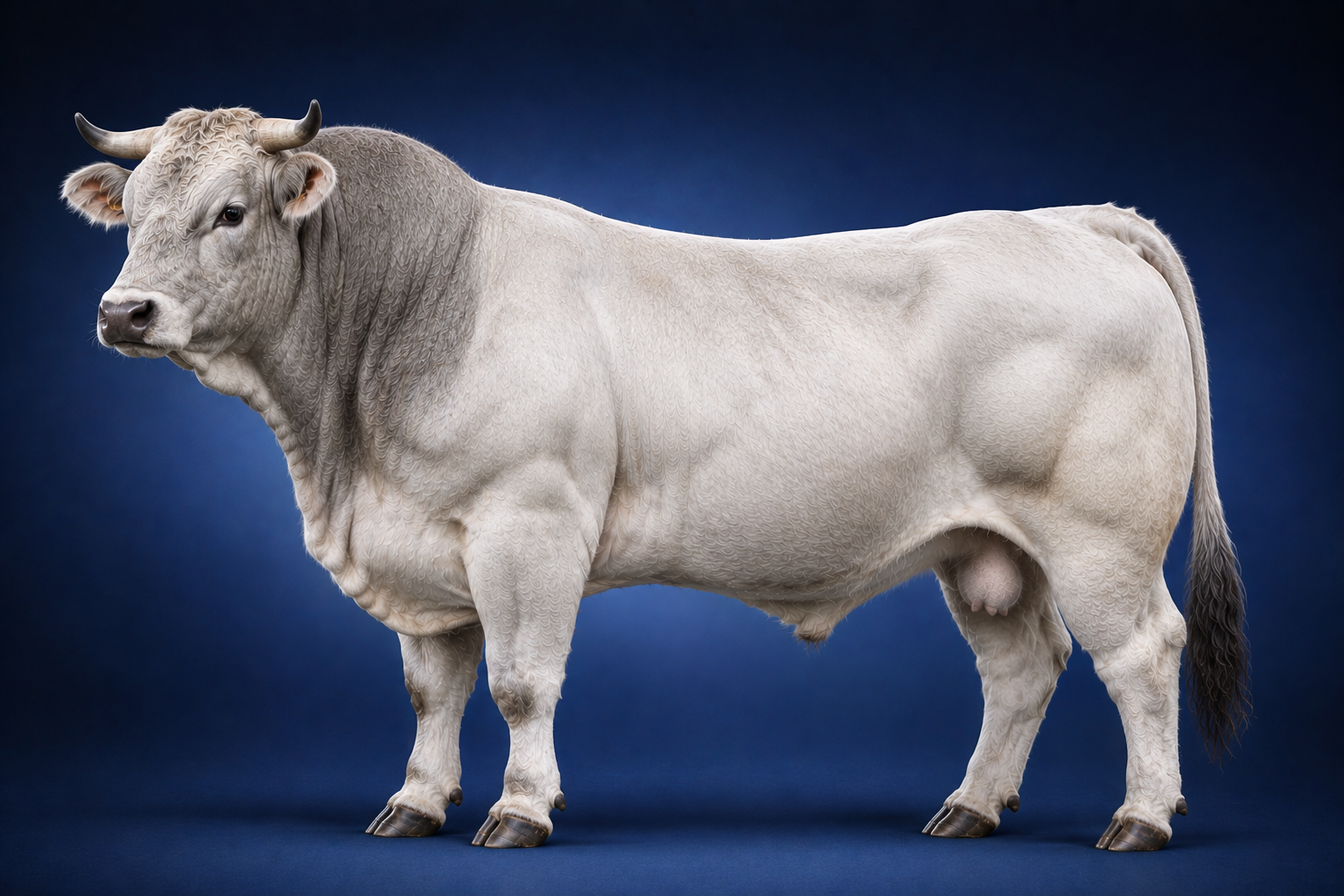
Chianina
One of the world’s most imposing cattle breeds
Chianina cattle are an ancient Italian breed known for their exceptional height and large frame. Mature animals typically have a white to light gray coat, while the skin and some natural pigmentation are darker. Historically used as draft animals as well as for meat, Chianina cattle are now especially associated with beef production and their remarkable stature.
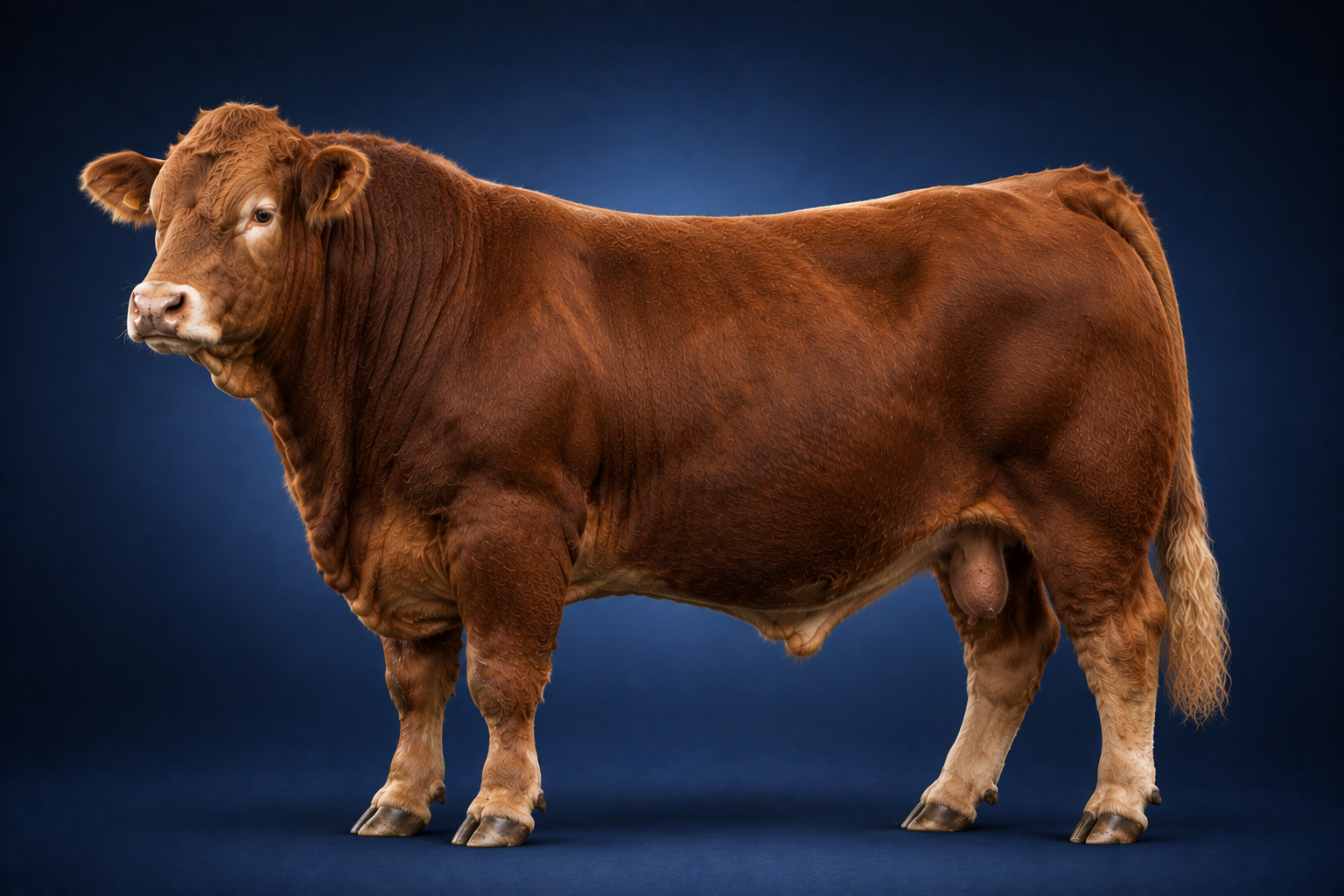
Gelbvieh
A versatile breed with maternal strengths
Gelbvieh cattle were developed in Germany, where they traditionally had golden-red coloring. The breed has since been used in a variety of beef production systems. Producers may select Gelbvieh genetics for a combination of growth, maternal performance and reproductive traits. Modern breeding programs continue to shape the characteristics emphasized in different herds.
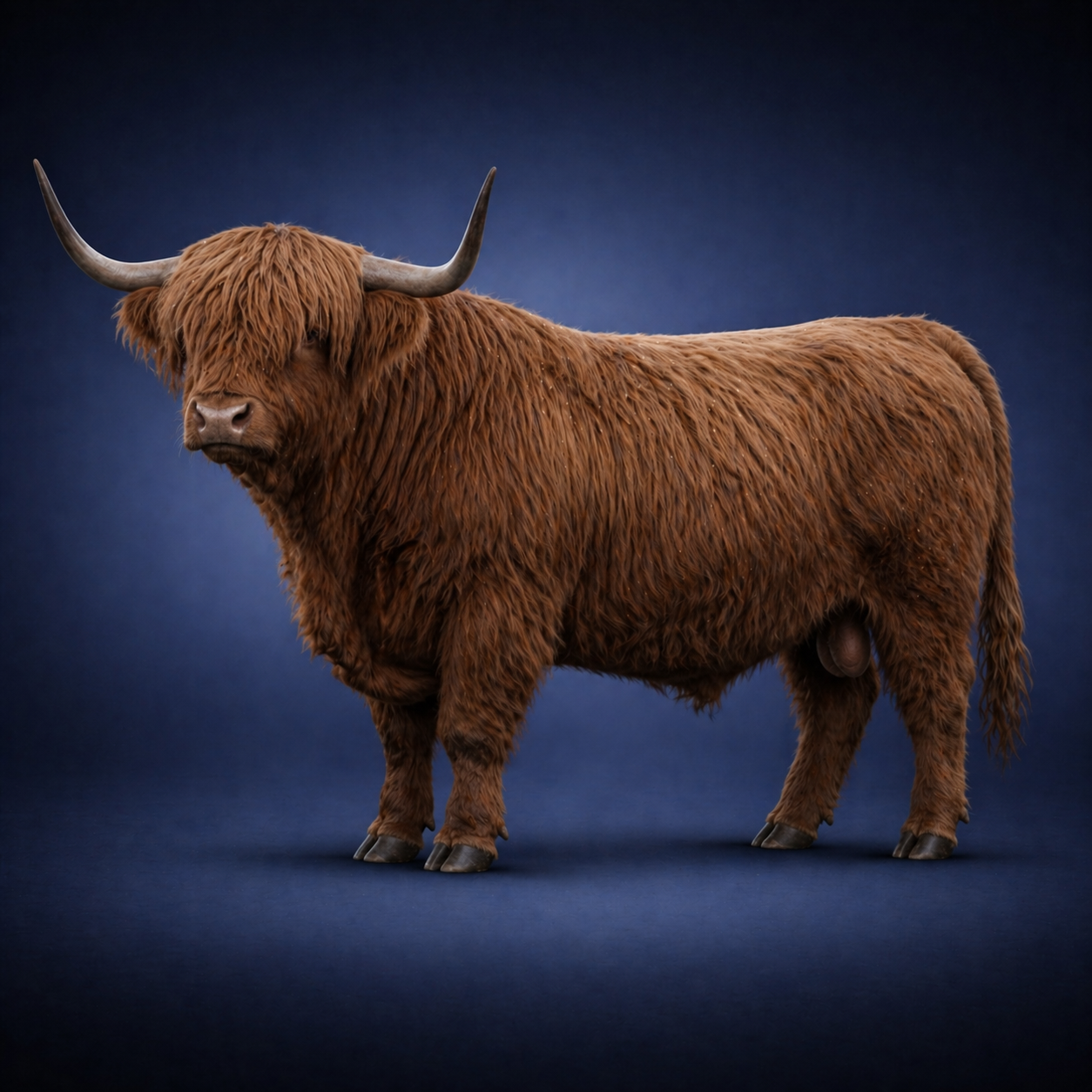
Highland
A hardy breed with a distinctive coat
Highland cattle developed in the Scottish Highlands and Western Isles. Their long, shaggy coats and prominent horns make them instantly recognizable. Their hair provides protection in cold and wet conditions, and the breed is known for foraging in challenging environments. Highland cattle are raised for beef and are also admired for their distinctive appearance.

Shorthorn
A historic breed with multiple production roles
Shorthorn cattle originated in northeastern England and have a long history in livestock improvement. Their coats may be red, white or roan, a mixture of red and white hairs. Different Shorthorn lines have been developed for different purposes, including beef production and dual-purpose systems. The breed has also contributed to cattle improvement programs around the world.

Simmental
A widely distributed and versatile breed
Simmental cattle originated in Switzerland and spread throughout Europe and many other cattle-producing regions. They commonly display red and white or gold and white coloring and often have a substantial frame. Depending on the population and breeding objectives, Simmental cattle may be selected for growth, maternal ability, milk production or beef performance.
Discover Cattle Breeds in CattleMania
Interested in cattle breeds and the work involved in managing a herd? CattleMania is an online cattle ranching game where players can manage cattle, assign feed, monitor animal development, handle ranch finances and explore breeding and livestock management.
Take what you've learned about cattle and explore a virtual ranching experience built around herd management and long-term cattle development.
Explore CattleMania →